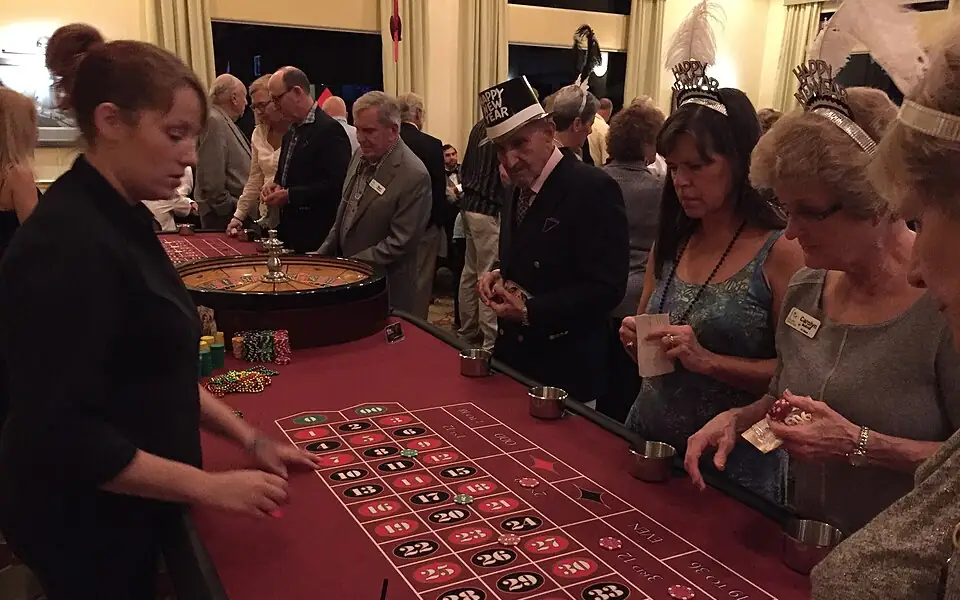
Ask any Filipino who grew up going to the town fiesta about the color game, and you will probably get a grin. Somewhere between the Ferris wheel and the fishball stand there was always a perya booth: a bright wooden board split into six colors, a crowd waving coins, and a barker shouting while three colored cubes tumbled down a ramp. This guide explains what the color game is, how it works, and how it found a second life online. It is the first stop in our complete Color Game Guide.
From the perya to your phone
The color game is a dice game of chance played at the traveling carnivals known in the Philippines as the perya. Its mechanics are closely related to old Western dice games such as chuck-a-luck and Crown and Anchor. In each, players bet on a symbol, three dice are thrown, and the payout depends on how many dice show that symbol. Filipinos swapped the symbols for bold colors that are easy to read at a glance in a noisy fiesta crowd, and the format became a local staple.
In recent years the game has moved from fairgrounds to smartphones. Licensed online casinos now offer live-dealer and digital versions, which is why so many new players search for it. If you just want the steps for playing on a phone, skip ahead to our step-by-step guide to playing color game online.
How a round works
The rules fit on a single index card:
- Pick a color. Place your bet on one or more of the six colors on the board.
- Three dice are released. Each die has the same six colors, one on each face.
- Count the matches. If your color shows on one die you win even money (1:1). Two dice pays 2:1, and three dice pays 3:1. If your color does not appear, you lose that bet.
That simplicity is the attraction, but it can also mislead. A color appears on at least one die only about 42% of the time, not 50%. We do the full math, including the house edge, in our color game odds and payouts breakdown.
The six colors
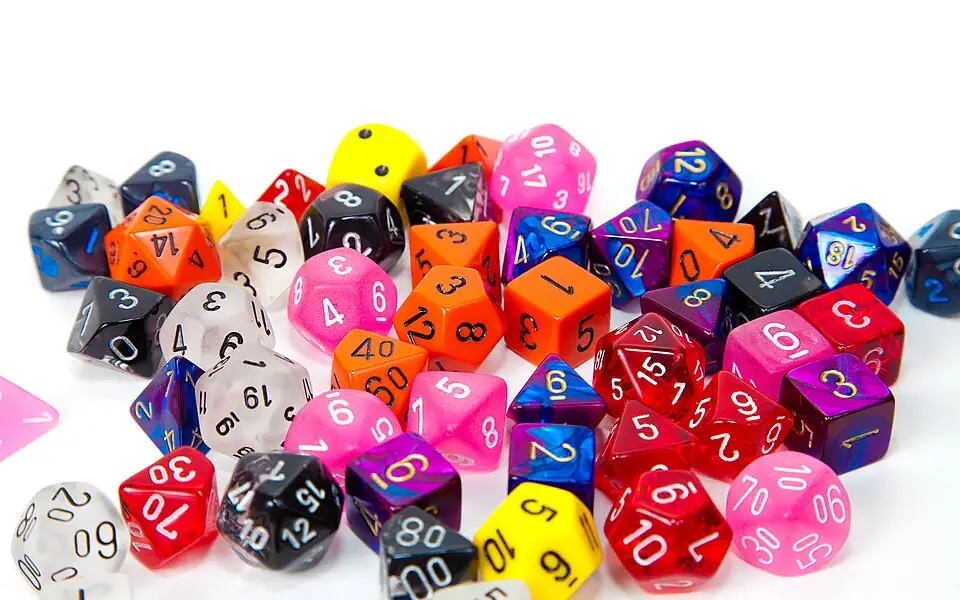
The traditional board uses yellow, white, pink, blue, red and green. Online versions sometimes change the shades or add special multipliers, but the six-color layout is nearly universal. Every color has exactly the same chance, so no color is "luckier" than another. Read why in our article on color game strategy myths.
Why Filipinos love it
- Nostalgia. It brings back fiesta nights, barkada trips and the sound of dice rattling down a wooden chute.
- Speed. A round takes seconds, and you need no card-counting or sports knowledge.
- Social energy. It is loud, colorful and easy to follow even for spectators.
- Small stakes. Traditionally you could play with a few coins, and online tables often keep minimum bets low.
Color game online today
Online, you will usually find two formats: live-dealer rooms that stream a real host and real dice, and digital versions where a certified random number generator decides each roll. Both should be fair if the operator is licensed and audited. In the Philippines that means looking for regulation by the Philippine Amusement and Gaming Corporation (PAGCOR). Our safe online casino checklist shows how to check a site before you deposit.
Many Filipino players also explore other games once they are comfortable. Popular next steps include slot games, fishing games, poker and sportsbetting on the PBA and UAAP. Our games hub compares them side by side.
Before your first round
Play-smart checklist: Set a budget you are happy to lose, decide when you will stop, never chase losses, and keep it fun. Our responsible gaming page has more tools, and you can practice risk-free with the free color game demo on our homepage.
Quick FAQ
Is color game the same as Sic Bo?
No. Both use three dice, but Sic Bo uses numbered dice and dozens of bet types. Color game uses colored dice and a simple six-color board, so there is only one main decision: which color to back.
How old do I need to be to play color game online in the Philippines?
You must be at least 21 years old to play on PAGCOR-regulated gaming platforms.
AI-assisted content: This page was drafted with the help of AI tools and reviewed by Steven Watson. It is for information and entertainment only and is not financial or legal advice. How we write.